Biplanes and Flight

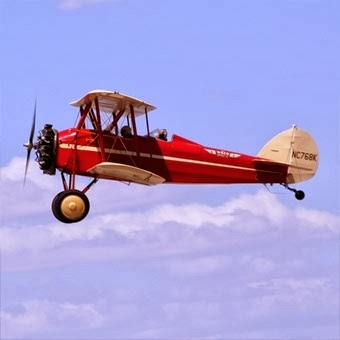
A restored 1920’s biplane.
It was the age of Lindbergh – a time when little boys glued newspaper clippings in notebooks to keep track of the great aviator’s life.  I know this because we have Mr. Burl’s; it is a sweet memento from his childhood, and when I look at it, I can’t help but think that out of all the changes his generation witnessed, men taking to the air must have been the most amazing.
From the journals:
Since the days of the Wright Brothers at Kitty Hawk, airplanes have caused excitement.  A person living in a rural community like Bath County seldom saw an airplane until the late twenties. Maybe once a year,  a pilot flying an old biplane (two wings) would come here to pick up a few dollars.  Those early planes were small with wooden frames covered with treated canvas.
Much excitement was generated by those flyers who hopped around from one locality to another.  Occasionally, a daredevil pilot would drop down on one of the local pastures and offer rides for five dollars.  Back then, five dollars would have been a small fortune.  Not many locals were able to afford that fare, especially the younger people.
There were two spots around Owingsville on which those flyers were prone to land.   “Shields’ Flat” was a nice level place and was adjacent to town.  That land is now called Darnell Subdivision.  “Horseman’s Bottom”  was the other good spot and was then owned by Mr. Lennie Horseman.
Hope you enjoyed this post – Ginger
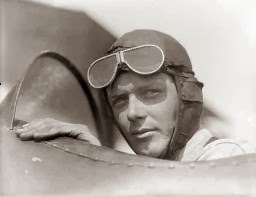
Charles Augustus Lindbergh, circa 1923.  In 1927, Lindbergh set records on his flight from New York to Paris, and upon  landing, “a crowd estimated at 150,000 spectators stormed the field, dragged Lindbergh out of the cockpit, and literally carried him around above their heads for nearly half an hour.”   The kidnapping of Lindbergh’s child in 1932 grabbed the attention of the entire nation – it was dubbed “The Crime of the Century.”  His controversial views on race, as well as his hesitancy regarding U.S.  involvement in WWII, add a complicated layer to the story of this true American hero, making him a fascinating character to learn more about.

Funerals, Part 2


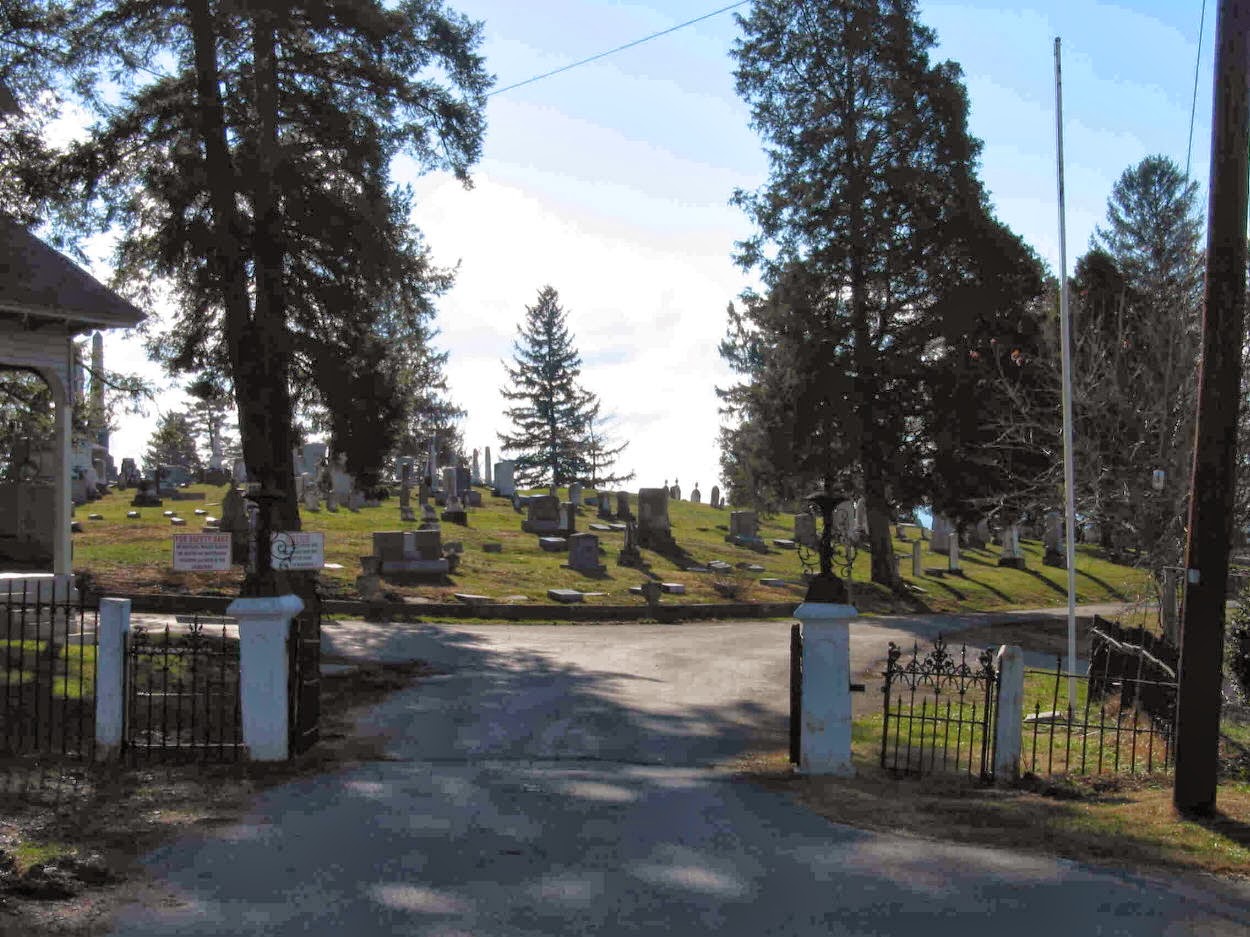
Owingsville Cemetery – One of the more peaceful places I know.  My children, now 21 and 25, have made countless trips up and down its hills with their father, as have I.  He uses those trips to pass on family  history and a general respect for those who came before us.

     The previous post concerned funeral practices in the early part of the 1900’s, and this excerpt from the journals builds on that.  Mr. Burl made a bulleted list (probably with hopes to expand on it at a later date) and here we share it with you.

     From the journals:
  • Preparation of corpse – often not embalmed
  • Funeral notices –  often made only for prominent people
  • Caskets – coffins were often made by the deceased’s friends or relatives or by the deceased himself
  • Funeral services held in the home or at the church
  • Digging graves – done by friends or relatives
  • Funeral services were very lengthy
  • Greater display of emotions than today
  •  Horse drawn hearses – often very ornate
  • Tolling of church bells
  •  Mourning color – black

     This has been timely information for Halloween, I’m sure!   I love this time of year, and there really is something special about trick or treating in a small town where everybody knows each other and neighbors fix extra special treats for the little ones they are especially close to.  Although it’s a spooky time, it’s also a time when communities can create a magical night for children – a night where they can feel safe and cared for as they roam the streets on the hunt for goodies.  ~Ginger

Owingsville should so do this: 

Sitting Up With The Dead


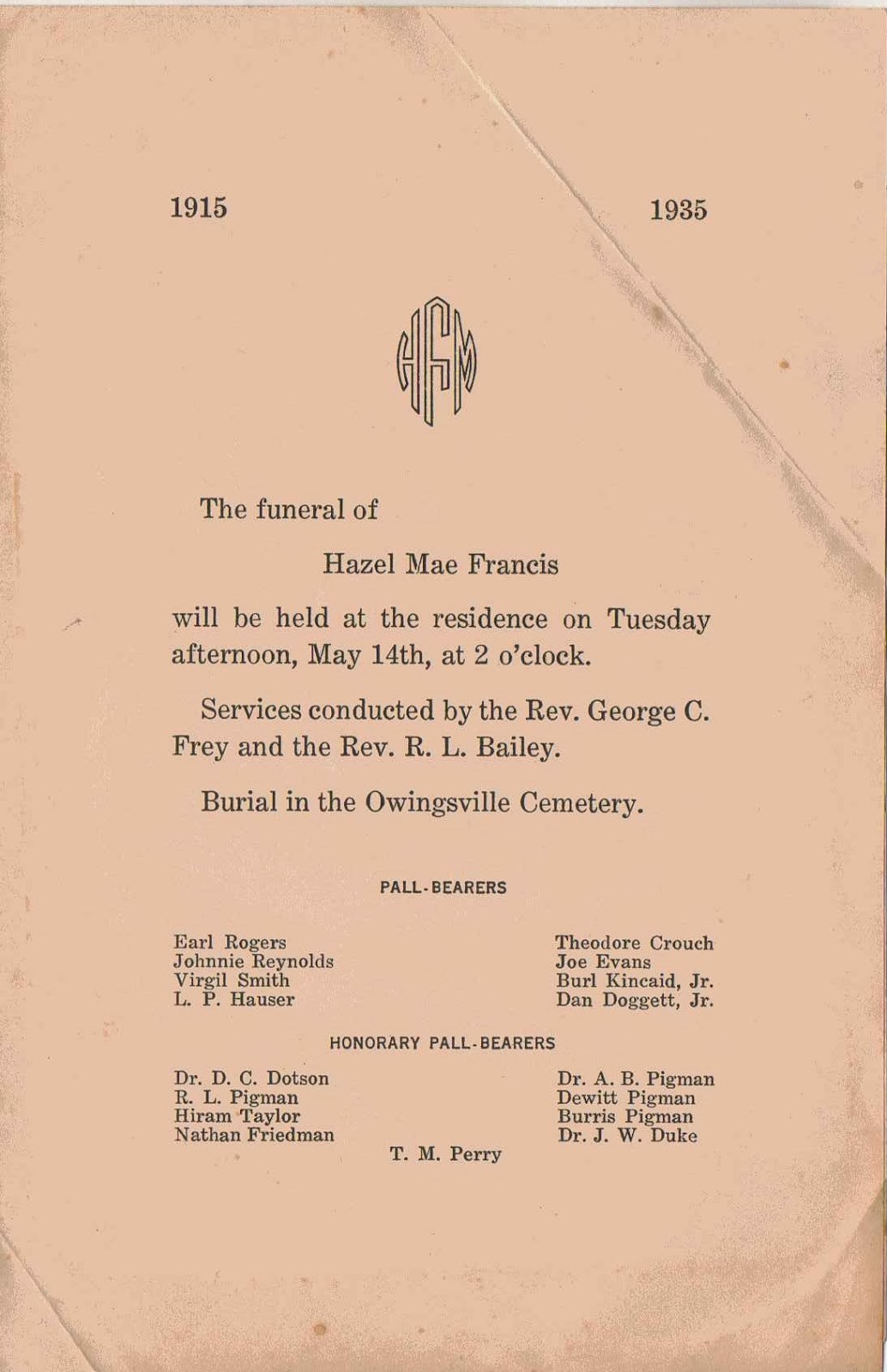
Funeral notice from 1935.  It opens up but is blank inside.
From the journals:
A discussion of funerals can be a morbid subject, but let us look into how funerals and the preparation for such rites were treated in Bath County prior to the advent of funeral homes.
Upon notification of the undertaker, the body of the deceased was taken to the undertaker’s place of business (which was not a funeral home) and embalmed.  The body was then returned to the home or church to await burial.  It was customary for the mortician to have funeral notices printed out and distributed, mostly to places of business.   Funeral notices usually gave the name, date of birth, place of burial, date and time of the service, and the pall bearers.  In some cases, active and honorary pall bearers were listed separately.  Usually, the notice was edged in black, but like other things, this changed from time to time.
It was a custom for friends and neighbors to ‘sit up’ with the corpse, and most people insisted that the body of the deceased be attended at all times.  Many of you reading this have probably ‘sat up’ with the body of someone.
Customs in any kind of life event change.  Perhaps strain, sadness and anxiety have been relieved somewhat by our modern funeral homes.  The author vividly recalls ‘sitting up’ with the body of a friend whose life had been suddenly snuffed out by an auto accident.  The corpse was a beautiful young lady whose body had been mangled by the accident. Of course, the body was at her home and the young lady’s mother, father, sister, and brother were there.   You can imagine what such a night would be like – heart rending and such a helpless feeling overall.
On her blog Adventures in Cemetery Hopping, Traci Rylands offers a nice overview of the practice of “sitting up with the dead,” as well as other Southern traditions surrounding funerals.

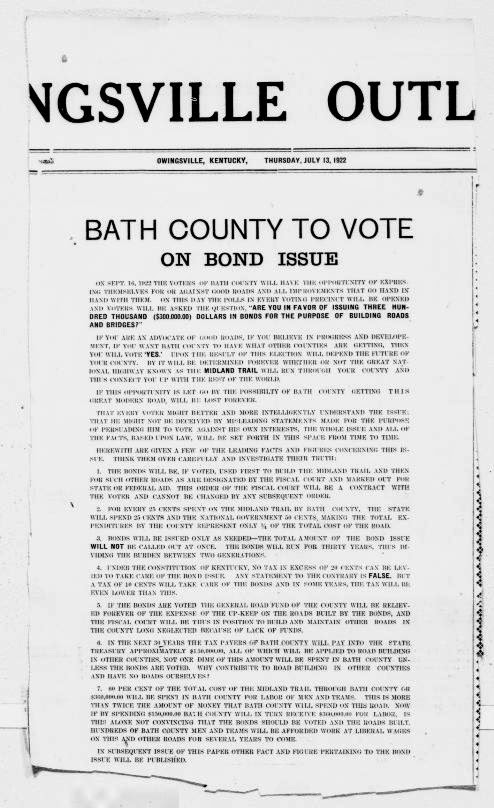
U.S. 60 (The Midland Trail)

A Stanley Steemer

From the journals:
As highways began to criss-cross this country, it became apparent that a coast to coast national highway would come through the county.  United States’ highways running north and south were given odd numbers and those running east and west were given even numbers.  Hence, the U.S. highway traversing Bath County became U.S. 60.
The section of the new highway through Bath County was called the Midland Trail in the beginning.  Businesses in the area were named for the great new highway.  There was a Midland Trail Hotel in Mt. Sterling and also one in Morehead.
During construction of the Bath County section of the Midland Trail, the rock cement and sand for the concrete was transported by a narrow gauge railroad.  The tracks ran along the road bed itself, making it convenient for unloading those ingredients in the large concrete mixer.
After the ‘Trail’ had been completed from the Montgomery County line to Owingsville, the small track was left intact for some six months.  Boys from Owingsville would push one of the little freight cars up the grade as far as possible and then jump in the car for a fun ride down.
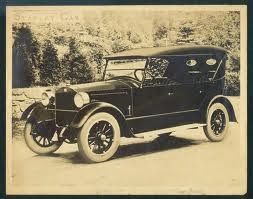
As good or decent highways were constructed, so the rapid increase of automobiles became apparent.  The names Model T Ford, Model A Ford, Chevrolet, Dodge, Buick, Cadillac, and Pontiac are familiar to most, but have you heard of the Chandler, Franklin, Hupmobile, Stutz Bearcat, Cord, Auburn, Marmon, Pierce Arrow, Moon, Stanley Steamer, and the Durant?
I meant to have more about the founding of the Chamber of Commerce and some of the controversy surrounding the building and naming of U.S.60, but the Library of Congress’s website is closed due to the government shutdown, and I have been accessing old newspapers there.  Hope you enjoyed this piece. -Ginger

The Hupmobile (I absolutely LOVE this car!)
“Uncle Ruby”
Reuben Walton Kincaid, Sr.   He helped found the Bath County Chamber of Commerce and acted as its first chairman.  The organization was originally called “The Business Men’s Association of Bath County” and it was expressly formed to ensure that U.S. 60 would pass through Bath County.  Mr. Burl thought the world of this man.  His son R.W. had a sleigh riding accident that eventually led to his death and lots of the older folk in Bath County remember the incident well.  And that’s a small town for you.  When a younger person dies, everybody in the community grieves.

Toll Roads and Railroads

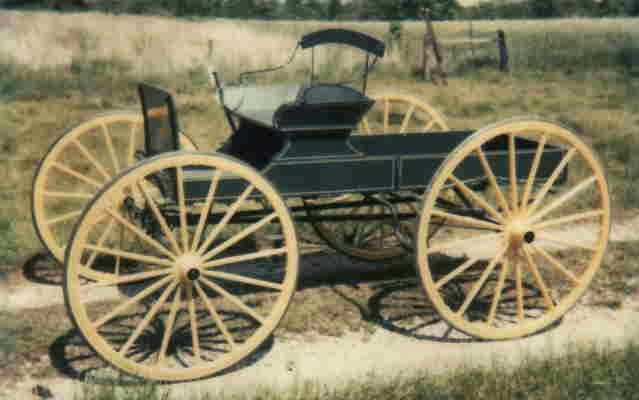
A spring wagon.

I’m not certain when my father-in-law (Mr. Burl to me) penned the following, but if you will notice, he writes as though the railroads were still operational, at least to a certain extent, and his reference to City Hall is to the old City Hall building on Slate Avenue.
From the journals:
There are those who believe that many of the old county roads were built on a cow path and perhaps they are right! In the early days of public roads there were toll gates and houses located at intervals along a roadway.  Usually the toll gate keeper lived in the house by the gate and did not miss any fee.  Roads were very narrow because there were no autos at the time.  Many bridges were covered.  The Sherburne covered bridge was the last one in Bath County, and it was burned several years ago.
Buggies, hacks, spring wagons and farm wagons were the means of land transportation other than the railroads.  The Chesapeake and Ohio Railroad has maintained its line through the county for years.  The Salt Lick and Preston depots were busy up through the 1940’s, and then trucks began to take over much of the transportation of goods.  Bus lines began to claim more and more of the transportation of people.  The first bus line to be awarded a franchise to transport through Bath County on U.S. 60 was the Blue Goose Bus Line.  Their busses were “touring” cars with cloth tops and side curtains.
A narrow gauge railroad operated between Owingsville and Olympia, hence the name “O&O.”  This was the connector line between Owingsville and the Chesapeake and Ohio lines.  The O&O operated for several years but has been defunct some seventy years.  The station in Owingsville was located in the ravine just below where City Hall now stands.
Not that I’m encouraging anybody to go exploring, but my husband, Don, says the old railroad tracks are still down in the ravine behind the old City Hall building.  
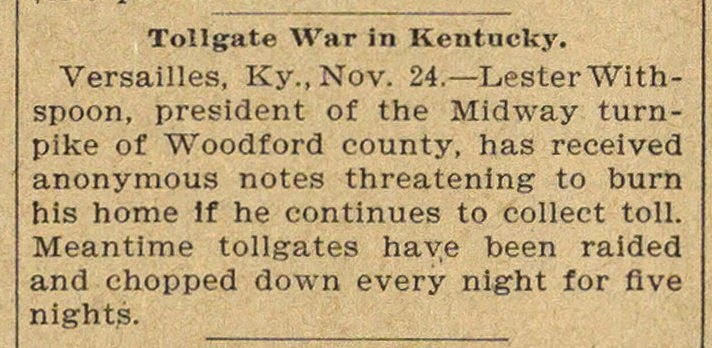
Also, the collecting of tolls was a cause of great discord, even in Bath County. Violence against toll gate keepers was commonplace.  More about that next time but see the notice below for an example of a tollgate war in Versailles. – Ginger


Turkey Drives and Fences

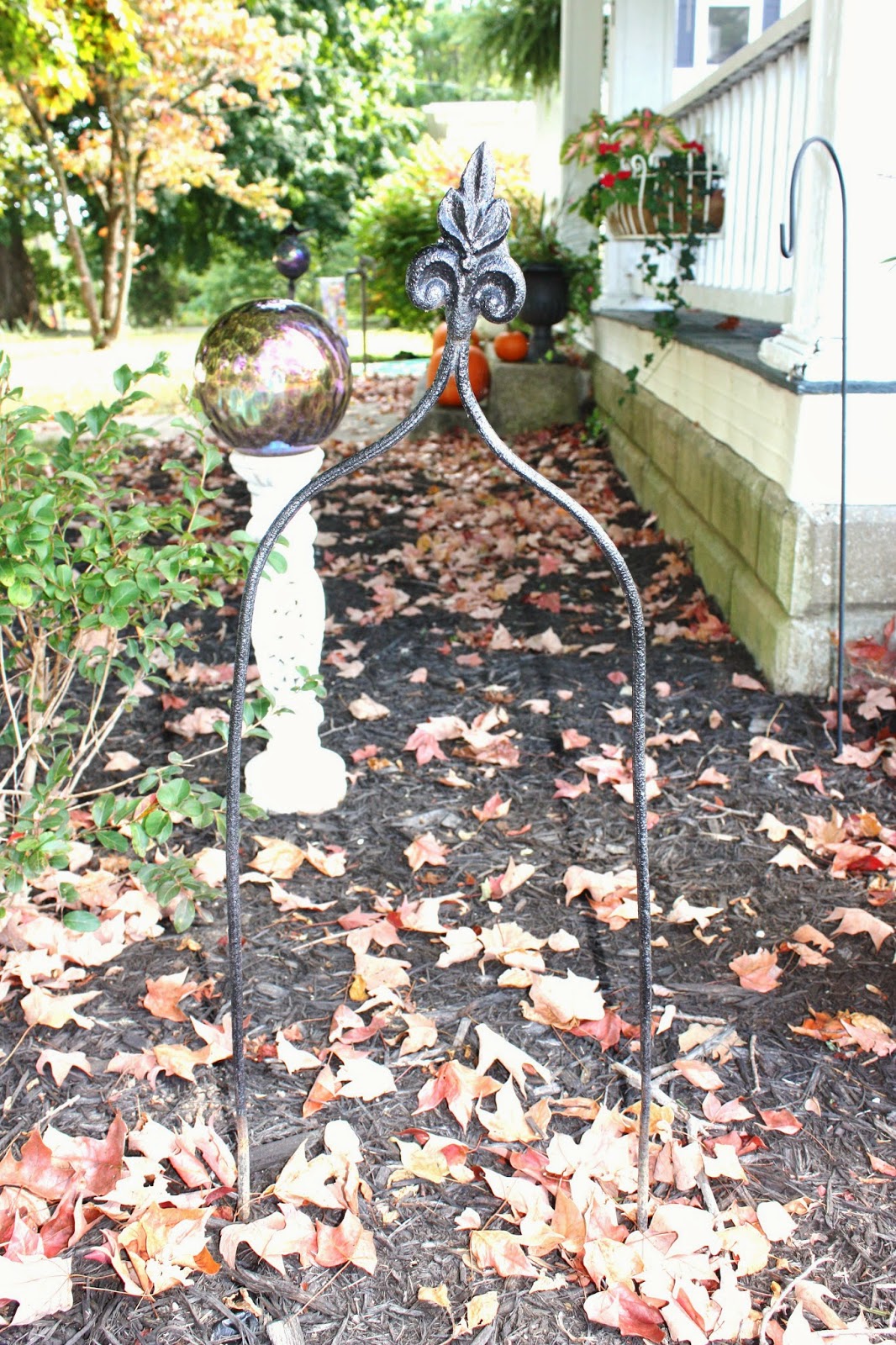
A piece of the original fencing that lined the front yard of our home.

Mixed into the landscaping around our home and the home of our next door neighbor, Marcelle Doggett, are pieces of the fencing that once lined the front yards of our properties back in the early 1900’s when Mr. Burl was a boy.  His grandfather Jacob Kincaid built Marcelle’s house and his father, Burl Sr., built ours. The fencing is made of wrought iron and the posts are about three feet tall, with a fleur de lis type symbol adorning the top.  They look very ornamental; however, they served a very practical purpose.
From the journals:
Iron fences – some plain, some very decorative – as well as fences made of wire, or wood, and sometimes a combination of iron and wood, were common in our Bath County towns early in the 20th century.  It perhaps has not occurred to all of us why so many fences of different types existed or even why there were fences.
Fences in town were not there just for beautification of one’s property, although some were very ornate.
As late as the early thirties, there were ‘cattle drives’ that passed through our county towns.  Those ‘drives’ could result in property damage to residents’ homes.  Often,  cattle drives were a means of getting cattle to market.  The cattle were driven from one town or place to another town to be sold.
Hogs were also marketed in much the same way as cattle, but it amazes folks now to learn that turkeys were also driven to market.  Imagine driving turkeys from Bath County to Maysville!  Sometimes hundreds of turkeys were numbered in a ‘drive.’
It has been told that the turkeys would balk and go for the trees as soon as dusk fell. 
I don’t know about any of you, but I’m glad the only turkey driving I do is when I bring one home from the grocery store! – Ginger

Fallin’ Weather, Jefferson (Mr. Jeff) Darnell, and Tom Turner

Last night as we were standing in our backyard getting something out of our car, we noticed that we could hear the sounds from the drag strip over the hill very clearly, as well as the ones from the football game on the other end of town.   Don said, “It’s fallin’ weather.”  Woke up this morning to rain and lots of it.  Fallin’ weather it is!

From the journals:
      Fallin’ weather – just what does that mean?  It is an old expression that folks used when they were more or less trying to predict the weather.  If you heard a train whistle close to Preston or Olympia and you were in Owingsville, it meant to an old-timer that rain or snow was imminent.
      When someone would observe smoke from a chimney hovering close to the ground and not rising, then he or she would predict rain or snow.
      These days, there are no C&O trains running through the county,  but if you do not live far from I-64 or other busy highways, you may make your predictions based on the volume of the sounds emanating from these thoroughfares.   If the sounds of cars and trucks increase substantially in volume, it is a good indicator of ‘fallin’ weather’ – so they say.
 
On a side note, everyone in my family was saddened by the passing of Mr. Tom Turner.  He always had a smile for everyone he met, and I think he was one of those people who deliberately chooses happiness and kindness and what a blessing that is when a person like that is a part of your life and community.
 
When my oldest son, Jacob, worked at the IGA while in high school,  Tom would talk to him there and tell him stories about his (Jacob’s) great-grandfather Jeff Darnell (father-in-law of William Burl Kincaid, Jr.).   Tom would also tell my husband these stories.  In a very real way, my husband and sons got to know “Mr. Jeff” just a bit better because of Tom Turner, and when you think about it, that’s what small town living is all about – weaving those kinds of threads that make everyone a bit closer.   – Ginger
Jefferson Lee Darnell (“Mr. Jeff” to most folks – when he was vice president of the Farmer’s Bank, he kept a loaded shotgun by his desk when word got to him that banks in neighboring communities were being robbed.  I don’t know if that’s a story passed down in the family or one from Tom Turner – probably both.)

Ice Delivery in Owingsville


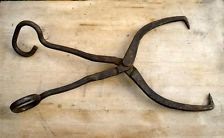
Antique Ice Tongs

From the journals:

       “How many refrigerators do you suppose there were in Bath County in 1920?  1930? 1940?  If there were so few, then what did folks do without refrigeration for preserving food and cooling drinks?
       At regular times every day during the warmer months, the local ice man or men made their rounds.   Mr. John Coyle and Mr. Francis Hunt (of Mt. Sterling) were two men who delivered ice.
        Ice that was sold in Bath County prior to the coming of refrigeration came from a plant in Mt. Sterling.  The ice was frozen in three hundred pound cakes.  The ice was readily cut by chipping with an ice pick.  Usually the chunks were cut in to three one-hundred pound cakes.  Most patrons did not buy ice by the hundred pounds, so the hundred pound cakes were cut to fifty pounds and even as small as ten pounds for some customers.
      Every ice man had at least two pair of hook type carriers for lifting and carrying ice.  Their trucks were what in those days were referred to as one and a one-half ton vehicles.
      The ice man usually supplied his regular patrons with a card which was about one foot square.  This card would have four different numbers that indicated pounds.  The pounds listed were 100, 50, 25, and 10.  The patron would place his card on a nail on his front porch with the side of the card up indicating the number of pounds he desired that day.”
        I visited with Tommy Hodge today, and he told me that a Mr. John Thompson also delivered ice in Bath County.  – Ginger

Johnny White’s Hamburgers

I’m a hamburger traditionalist:  I like them fixed the old fashioned way, with no “modern” toppings like mushrooms, Swiss cheese, or jalapeno peppers,  which is why I think I probably would have loved Johnny White’s. ~ Ginger
 
From the journals:
     Should you ask an old-timer in Bath County, especially in Owingsville, about the best hamburger he ever tasted, the answer would almost invariably be “Johnny White’s hamburgers.”  It has been told that he dipped them in meal and fried them in suet.  At any rate, they were scrumptious and delectable and almost any other adjective meaning great that you can think of.
     Another man who was also noted for his hamburgers in Owingsville was Bob Foley.  Bob had his stand usually either on Henry or Oberlin Street.  Johnny White’s stand was usually on Oberlin Street.
     The stands of these hamburger specialists were small and could be moved without much trouble.  The fronts were structured so that the front side would lift up and be propped up, revealing a counter ledge. Inside would be a coal oil stove which furnished the necessary heat for cooking and enough room for two people to work.
     These hamburger men did not use buns but light bread.  It was not uncommon for one person to buy five to ten at a time.   The price for these delicacies was for many years all of ten cents, but they went up to fifteen cents after World War II.     Another business that was good for the businessman and great for the public has faded from the local scene.