![]() |
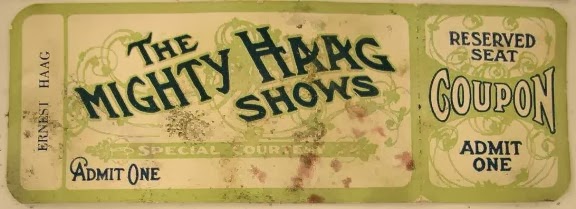
| Ticket for The Mighty Haag from the 1930’s (Photo from josephinesjournal.com). |
![]() |
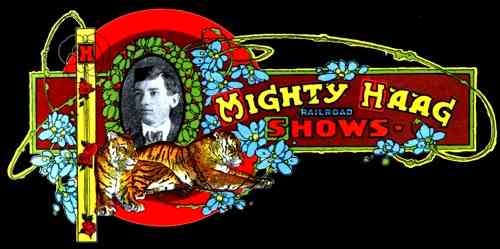
| Mighty Haag Logo |
![]() |
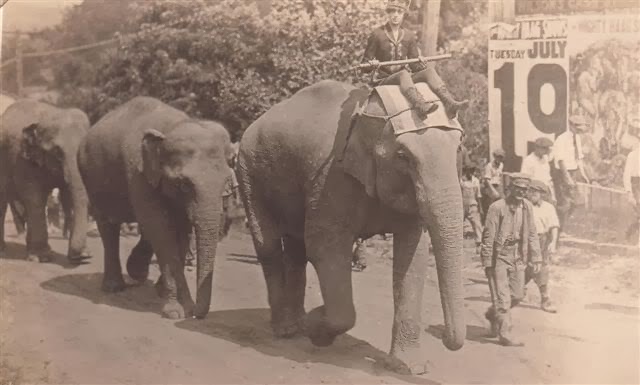
| Another picture, courtesy of bucklesw.blogspot.com.
|
![]() |
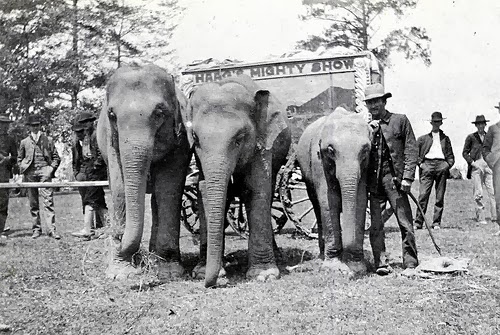
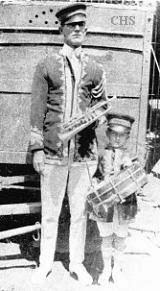
| Everette and Harry James, circa 1922 (Photo from circushistory.org) |
Regional history centered around Bath County, Ky., plus old recipes, photos, maps, and genealogy. Surnames of interest include Kincaid, Karrick, Darnell, Goodpaster, Young, and Dawson
![]() |
| Ticket for The Mighty Haag from the 1930’s (Photo from josephinesjournal.com). |
![]() |
| Mighty Haag Logo |
![]() |
| Another picture, courtesy of bucklesw.blogspot.com.
|
![]() |
| Everette and Harry James, circa 1922 (Photo from circushistory.org) |
![]() |
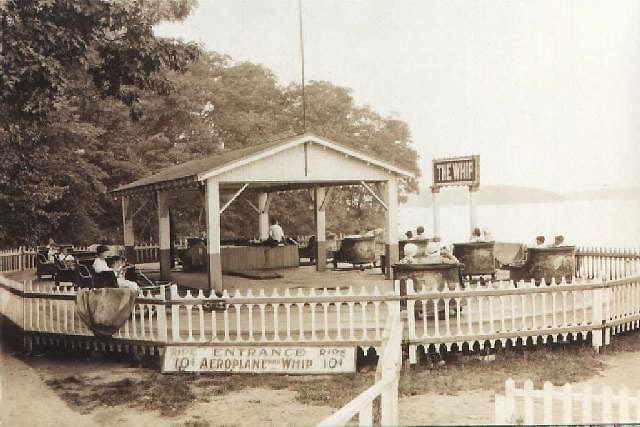
| The Whip (Image courtesy of Whiplake Hopatcong Historical Museum) |
![]() |
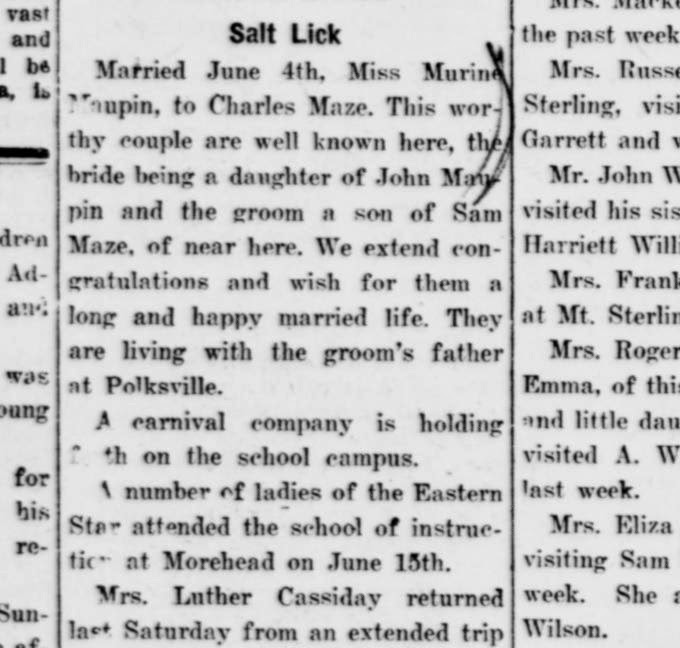
| A clipping from an old copy of The Owingsville Outlook announcing that a carnival “is holding forth on the school campus” at Salt Lick. |
![]() |
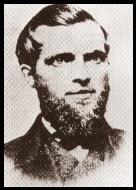
| George Nicholas Owings Bascom, 1836-1862 “History has been hard on Bascom and his judgment, but there can be little doubt about his courage. . .” – Terry Mort, The Wrath of Cochise |
What do the Apache Wars of the American Southwest have to do with Owingsville, Kentucky? Well, actually quite a bit.
In January of 1861, a young, inexperienced second lieutenant was called upon to track down a group of Chiricahua Apache Indians who had been accused of kidnapping a twelve year old boy. It was the second lieutenant’s first big assignment and one that would end up being referred to in Native American oral history as “Cut- the-Tent.”
Cut-the-Tent – it is called that because after the young second lieutenant (a graduate of West Point) had invited a chief named Cochise to come inside his temporary abode to discuss the whereabouts of the child and partake of coffee, the young officer abruptly stated that he was holding Cochise and party prisoners until he brought forth the missing boy, a pronouncement that caused Cochise to pull a knife, cut the tent, and escape.
But it doesn’t end there.
Cochise escaped, coffee cup still in hand according to legend, but the rest of his party didn’t. The young lieutenant held them as hostages, which caused Cochise to go get some hostages of his own (some very unlucky folks who were riding through in a wagon train). There was a standoff. Cochise made it known he wanted his people back. The young lieutenant wouldn’t give in, perhaps thinking the hostages were his only way out of the mess he had gotten himself into. Hostages were held and then hostages were killed, including the chief’s brother. It got ugly fast and many scholars claim the incident was the trigger for the Apache Wars, while others say it didn’t exactly cause the Apache Wars, but most definitely embittered the Apache even more towards the whites.
That’s very much the condensed version but you get the gist.
Cut-the-Tent is more commonly called The Bascom Affair because George Nicholas Bascom, native son of Owingsville, Kentucky, and grandson of the town’s namesake, Thomas D. Owings, was the young second lieutenant at the heart of the story.
If you want to read more about The Bascom Affair, I highly recommend Terry Mort’s The Wrath of Cochise. Mort presents a very balanced view of the incident, explaining, for instance, that although Bascom had graduated from West Point, his education there would have in no way prepared him for Indian warfare. In fact, while Bascom is often portrayed as inept in regard to his handling of the incident, Mort argues that it is possible that Bascom was actually drawing upon his military training in making some key decisions. For instance, Bascom’s hostage holding was probably done in part to guard against a direct assault against his troops, but the Apaches rarely engaged in such a tactic (preferring guerrilla warfare), a fact Bascom most likely didn’t know and certainly hadn’t been taught.
Mort doesn’t let Bascom off the hook, but he does attempt to explain why Bascom made the decisions he did. He also doesn’t allow Bascom to bear the entire weight of the blame, as some seem fond of doing.
He mentions Owingsville a few times, which might make his book especially intriguing for anyone with roots here.
By the way, Bascom was promoted to captain and was killed by Confederate forces in the Battle of Val Verde. Fort Bascom was named for him, but he is buried in an unmarked grave.
You can find a short overview of the Bascom Affair on Wikipedia.
You can buy Terry Mort’s book at Amazon or check it out at the library.
I’ll warn you, once I started reading about The Bascom Affair, I got hooked! ~ Ginger
![]() |
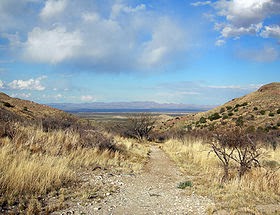
| Apache Pass, the place where Bascom and Cochise met. |
![]() |
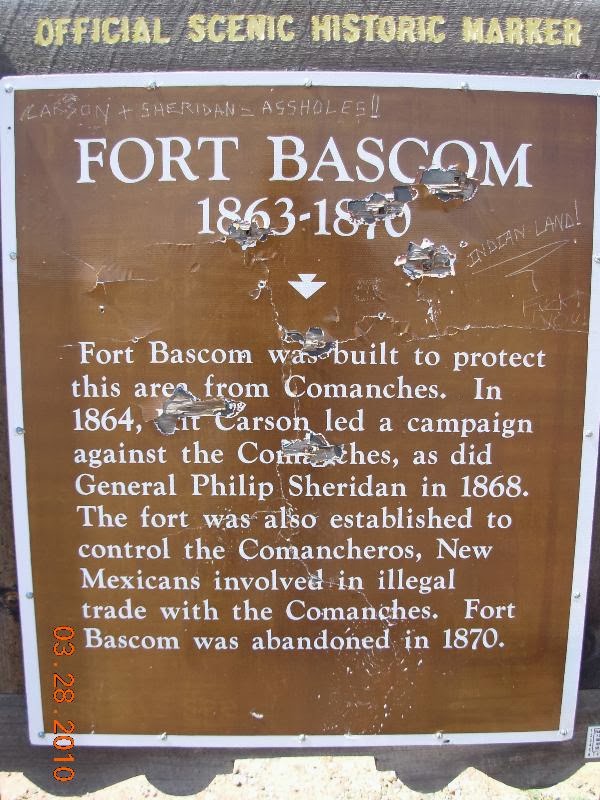
| The historic marker for Fort Bascom, named after one of Bath County’s own. |
![]() |
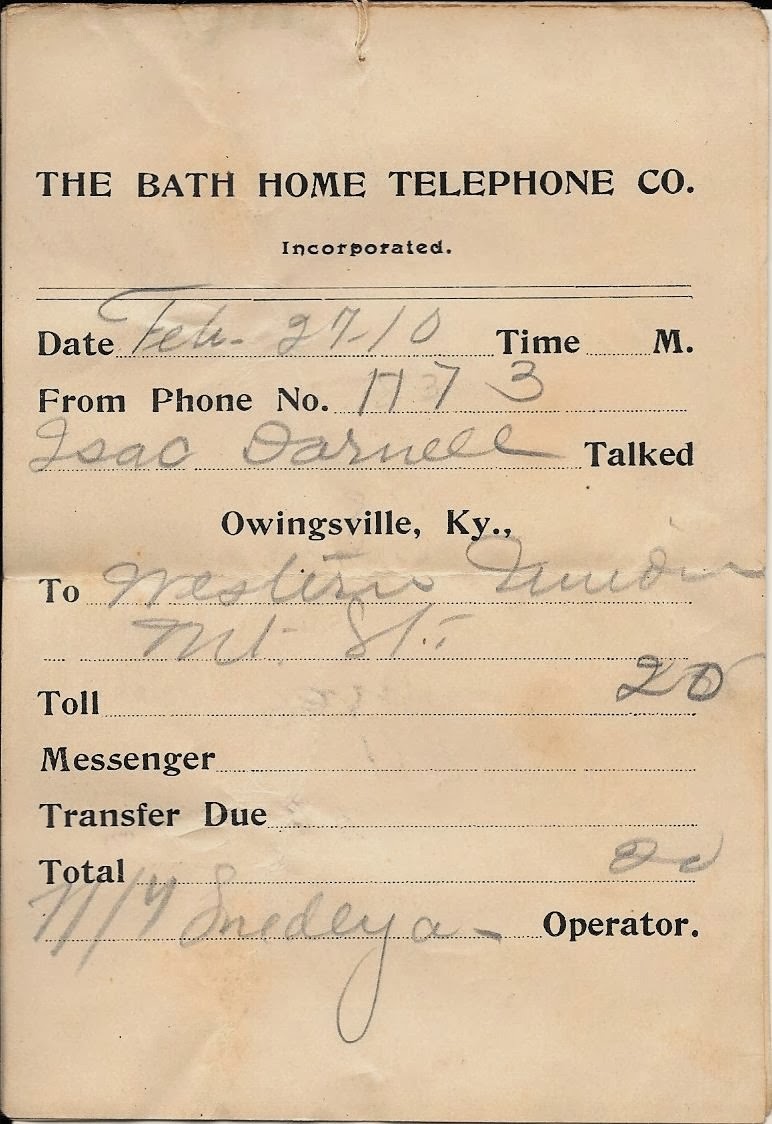
| A 1910 telephone receipt – can you imagine? |
![]() |
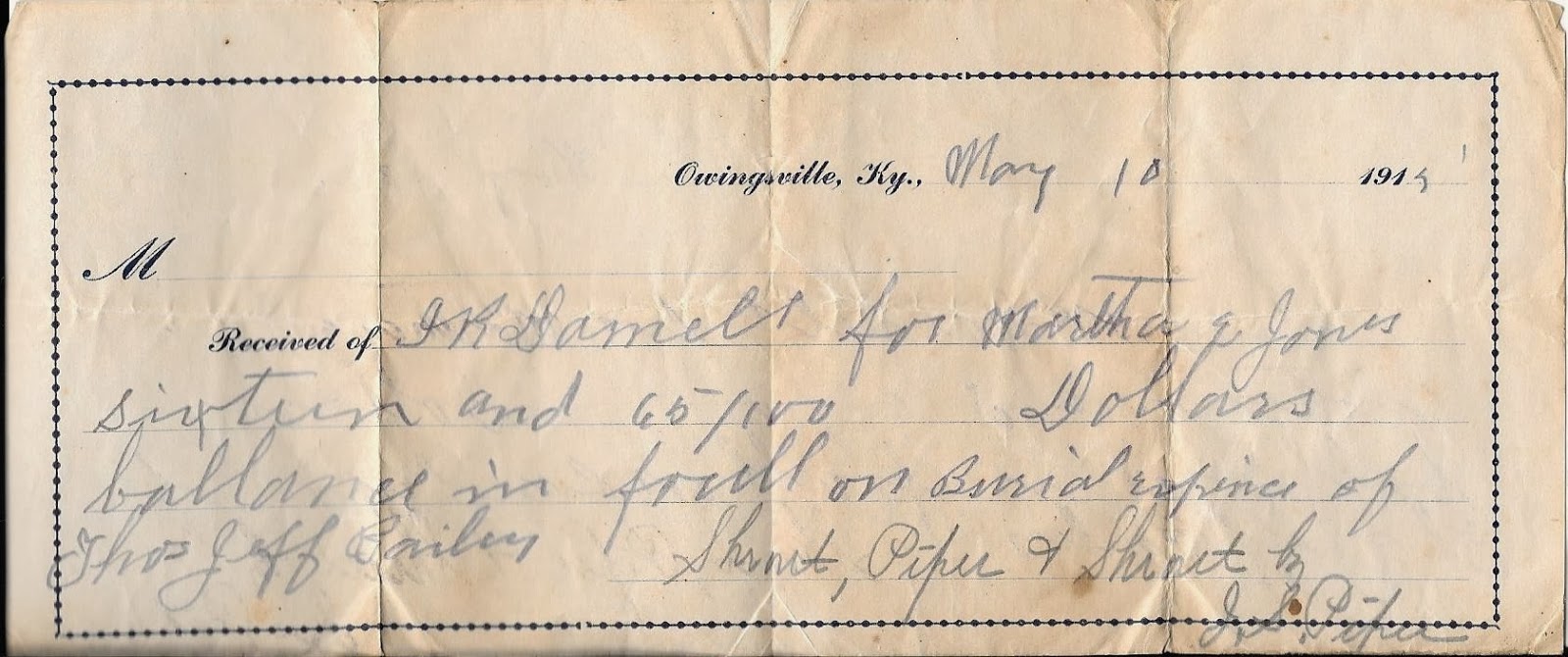
| Shrout, Piper & Shrout burial receipt. I can’t make out the last number in the year, but it’s from the 1910’s. |
![]() |
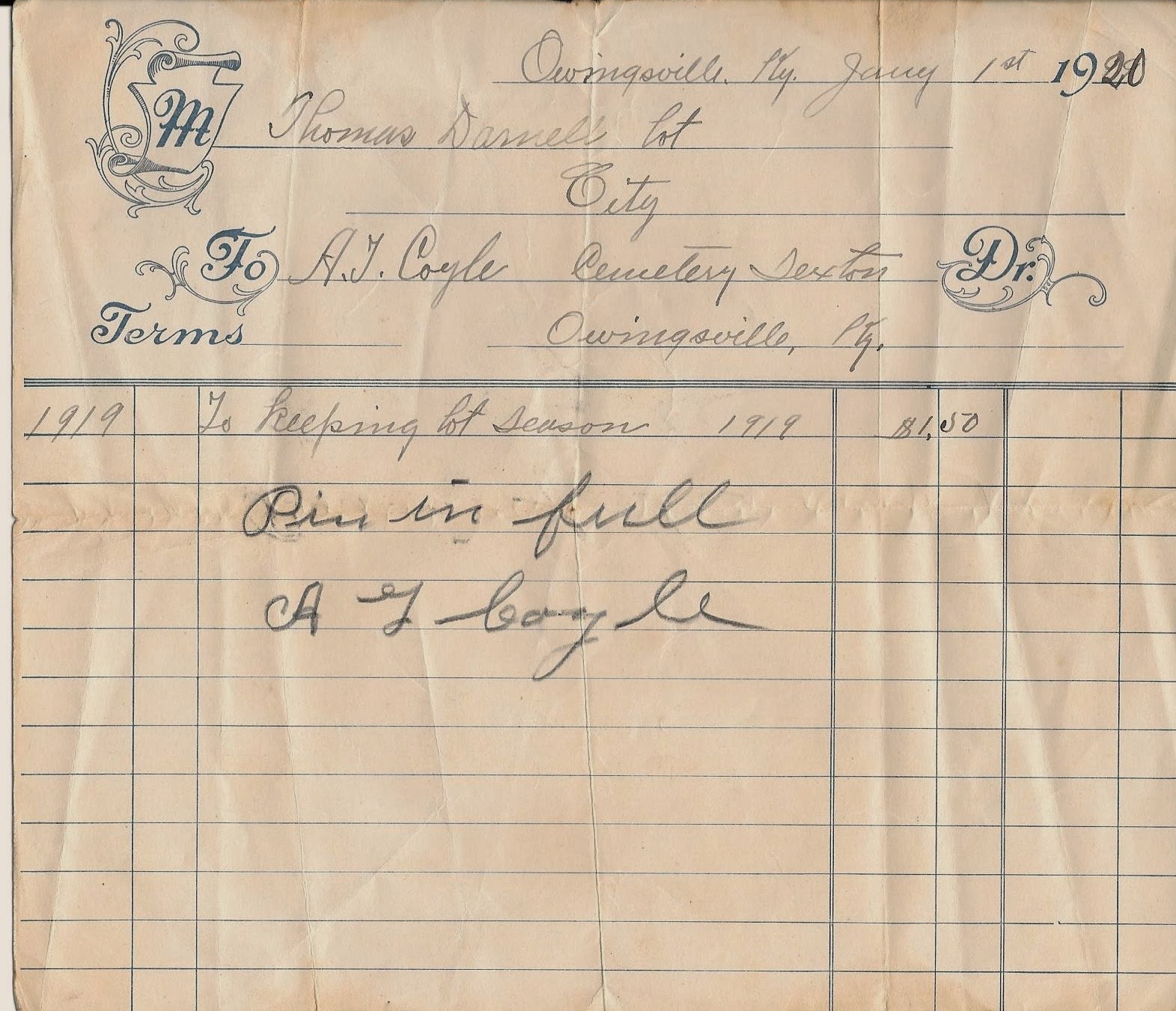
| Owingsville Cemetery receipt. I like how they used the words “Cemetery Sexton.” I don’t know if that is still used or not but I don’t think I’ve ever heard it around here. |
![]() |
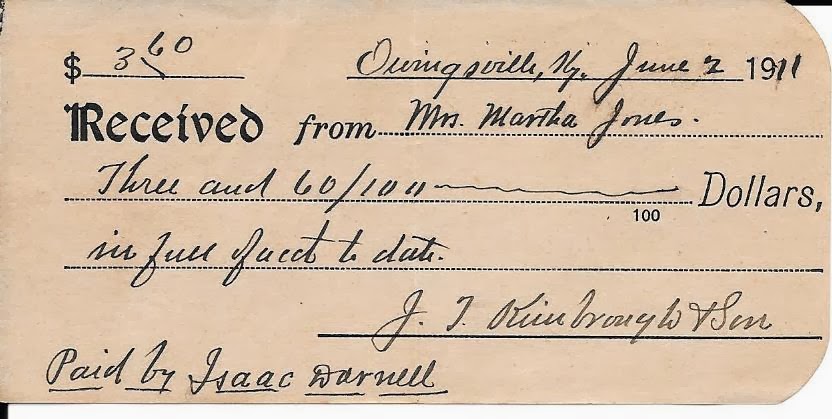
| Kimbraugh & Son receipt from 1911, I’m assuming from their drug store. |
![]() |
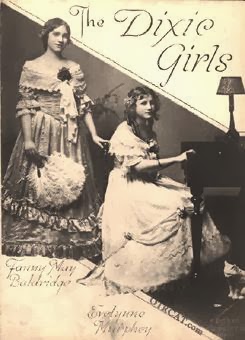
| The Dixie Girls performed in Owingsville as part of a Lyceum course. |
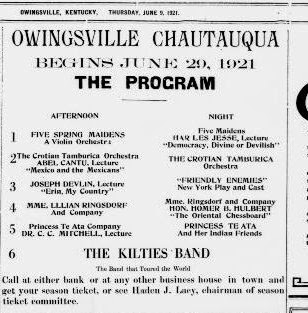
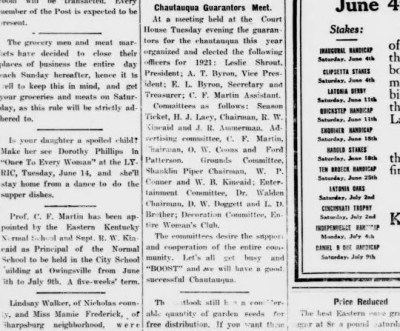
Last week’s excerpt was about the Chautauquas that came to Owingsville, and this week we follow up on that.
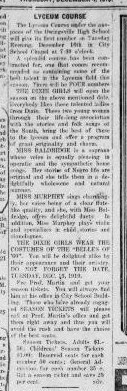
The description of the Lyceum offering, especially that of Fanny Baldridge’s act, piqued my curiosity because I’m interested in how some have attempted to romanticize the Old South. This attempt is officially referred to as the “Lost Cause Movement” and it’s fascinating. The grave markers in the Owingsville Cemetery that were funded by the Daughters of the Confederacy can be regarded as a part of this Lost Cause Movement. Margaret Mitchell’s epic novel Gone With the Wind stands as a literary example of the movement. Can we consider the Dixie Girls’ act as an example of it too?
And how would that have gone over in a place like Bath County? After all, if your families are like ours, you can count both Johnny Rebs and Billy Yanks in your family tree. We have one handed down story of an ancestor helping a slave escape, while one of those markers from the Daughters of the Confederacy sits upon the grave of another ancestor (and thanks to my brother-in-law, Bill Kincaid, for his research on those markers and the Daughters – hopefully he can share some of what he’s learned with all of us in a future post).
![]() |
| The 1919 clipping I refer to. Sorry it’s a bit hard to read. |
If you want to learn more about the Lost Cause Movement, click here.
To read a bit more about Fanny Baldridge, click here.
Hope everyone is staying safe and warm. When the weather pretties up, I’ll try to take some pictures of those Confederate markers and then post them on here. ~ Ginger
This is the first in a series of excerpts about the various forms of entertainment that passed through Owingsville and Bath County during the early 1900’s. We hope you enjoy it and the ones that will follow!
From the journals:

![]() |
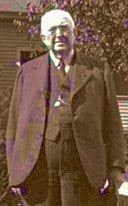
| Colonel James B. Beam, 1864-1947 (Photo courtesy of jimbeam.com) |
![]() |
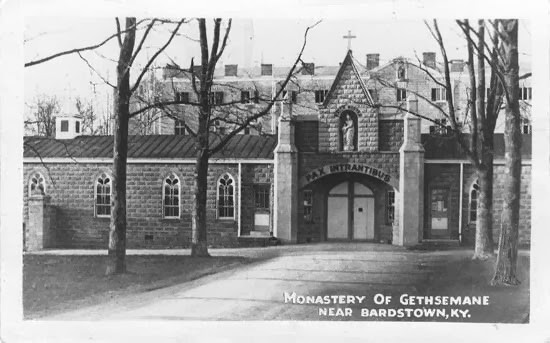
| The Abbey of Gethsemani. The famous Trappist monk Thomas Merton was of this abbey. (Photo courtesy of USGenWebarchives) |

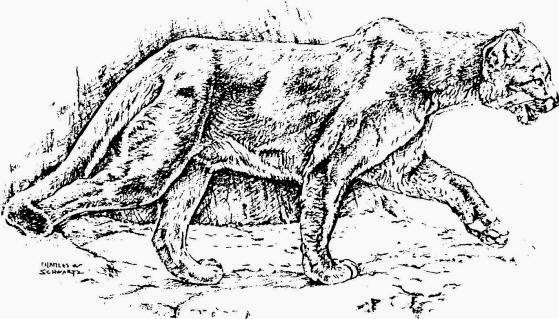
This is one of our family favorites, and we hope you enjoy it too. Mr. Burl’s grandfather, Jacob Kincaid, lived at Stepstone until he moved to town around 1900, give or take a few years. The best we can figure is that this catamount hunt at Stepstone took place in the latter decades of the 1800’s.
From the journals:
“Most all children love to have parents or grandparents relate unusual tales to them. Perhaps this is something the children of today do not have enough exposure to. What follows is a tale my grandfather used to tell me.
A predator of some sort was killing and maiming the livestock in the Stepstone community years ago. The slaughter of small livestock reached such a magnitude that men of the area would ride through the pastures and woods searching for the culprit. Some of the riders carried rifles and some carried shotguns. The search went on for several weeks with no progress.
One day, “Jake” Kincaid and a Mr. Utterback were riding through a wooded area when suddenly from behind an old log a ferocious animal sprang up on his hind legs. The animal let out a blood-curdling scream. The two men were almost overcome with “buck fever,” but both got off a shot at the wild creature. Both men thought they had dealt the fatal blow. Kincaid and Utterback, seeing the cat was dead, eased closer and closer to determine what their victim was.
The two friends later decided that it was a large “catamount.” Folks in the community that had seen such animals before supplied the name. A catamount goes by other names depending upon the section of the continent where it is found. Other names for this member of the cat family are panther and puma.
The Stepstone community rejoiced because the slaughtering of their small animals would and did pass. Mr. Utterback volunteered to take the big “cat” home and skin it and this tale ends there.”
That tale does end there but mine is not quite finished!
Catamounts are mentioned frequently in old newspaper clippings from around the time period of the Stepstone incident. The January 5, 1899 issue of the Owingsville Outlook states that a Chas. Skeins caught a catamount Sunday night at his home near here. This was in the Hillsboro section of the paper.
Additionally, in the February 2, 1892 issue of the Mt. Sterling Advocate, this report is given of the killing of a catamount: Two grown sons of Jerry Carpenter, living near Daisy Dell, in this county, killed a catamount recently so large that when they tied its hind feet together and suspended it on a pole between them, its head dragged the ground. After they shot it through the body it whipped their dogs and they had to kill it with an ax.
Is this all past history? Are the catamounts gone from the wild forever here in our neck of the woods? Well, maybe not. Folks still claim to see the big cats from time to time. ~ Ginger

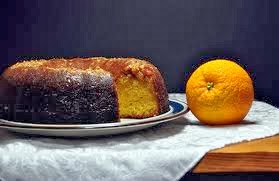
Might be a good dessert for the holidays. I haven’t tried this recipe and have copied it just like it is written in Jane Kincaid’s cookbook.
Orange Cake
Juice of one large orange.
1/2 cup white sugar put in juice, dissolve this mixture and let stand while mixing and baking.
1/2 cup butter or crisco (scant)
1 cup white sugar
2 whole eggs
2/3 cup sour milk
2 cups flour
1 level teaspoon soda (put in sour milk)
1 orange peel grated
1 cup raisins put through a food chopper with orange peel.
Add raisins and orange peel to butter and sugar after they have been well creamed, add milk and flour then the eggs last.
Beat yellows and whites together.
When done and first taken out of the stove, pour juice over cake and let stand in skillet until cold.
In pouring the juice over the cake be careful not to let the juice run down the sides of cake.
Have stove pretty hot.
Mrs. Charles Darnell
From the Electric Cooking School