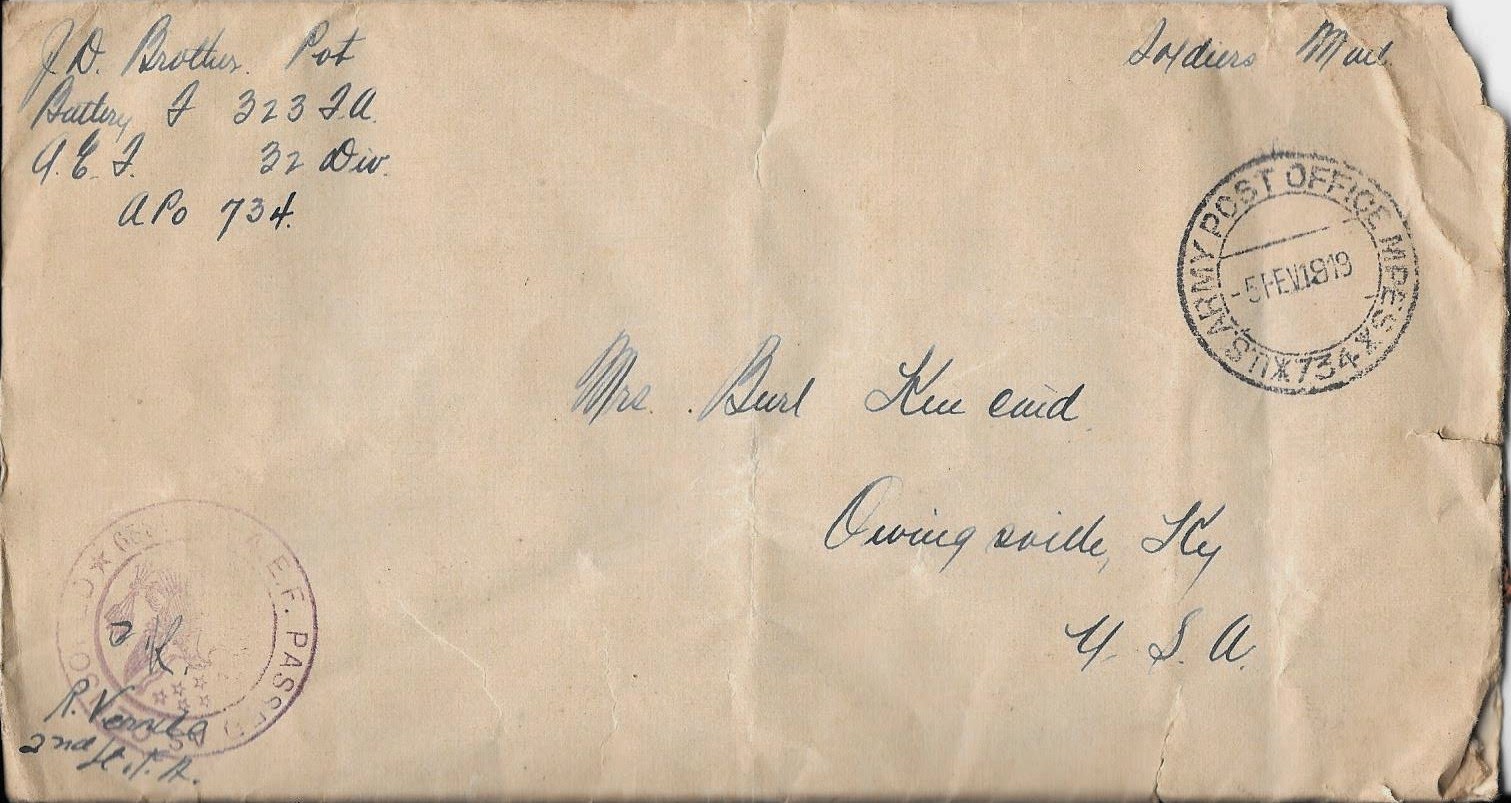
A Letter from WWI in Honor of Veteran’s Day

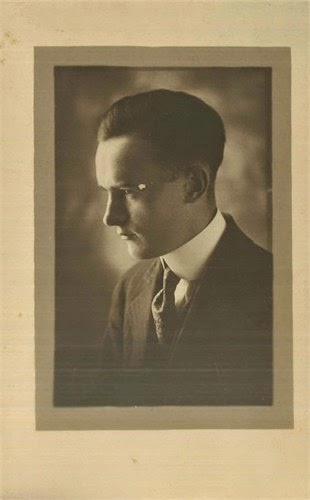
Jefferson Dawson Brother


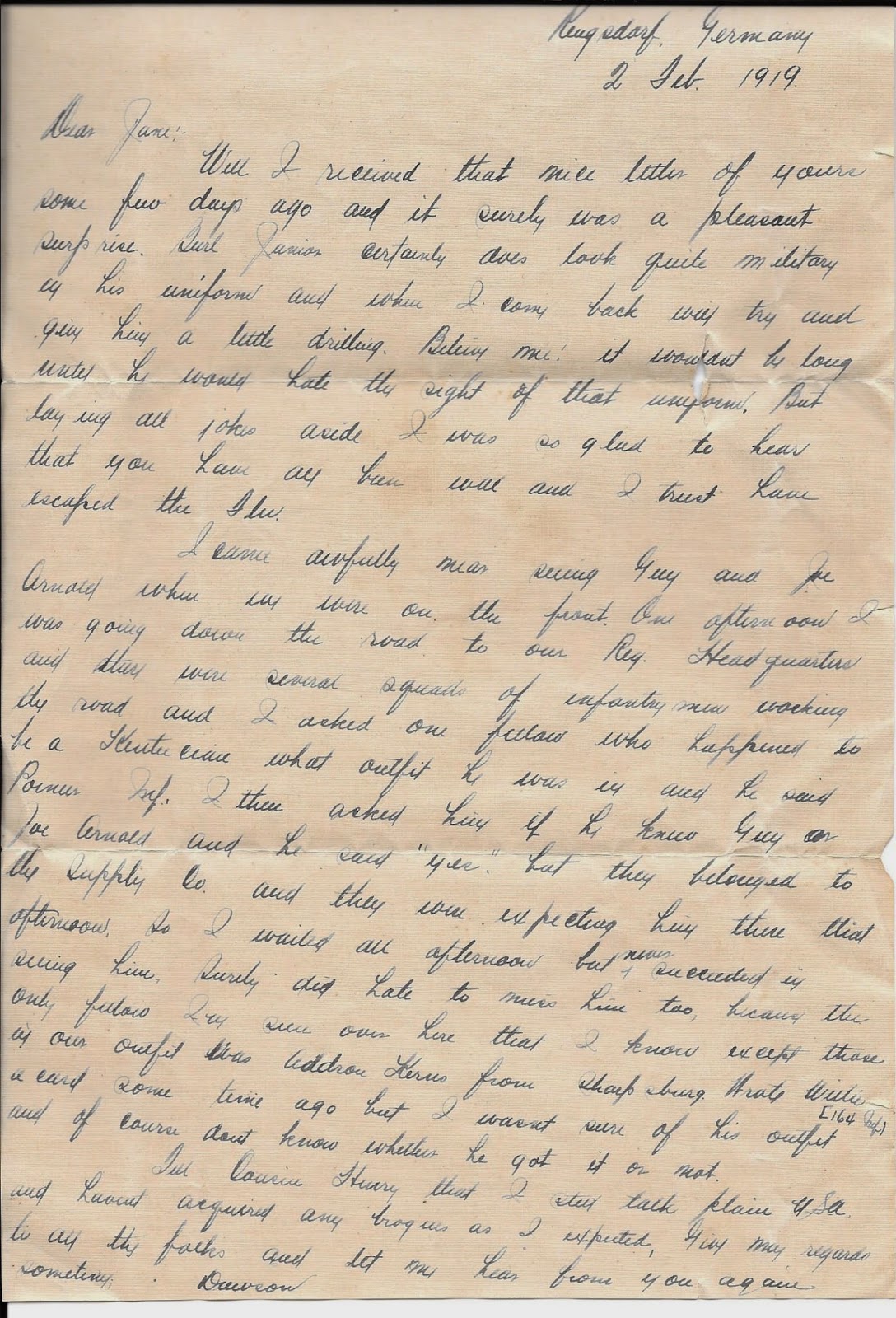
           What follows is a letter written during WWI that Mr. Burl had kept in a box of his childhood mementos.  The “Dawson” who wrote the letter is Jefferson Dawson Brother, who was a relative. I’ve checked the WWI registration cards to try to find out who Addrou Kerns is, as well as Guy and Joe Arnold. I did find an “Augustus Adrien Kerns” who I think might be the Kerns who is referred to (perhaps “Addrou” is a nickname or misspelling) , but I have had zero luck finding out who Guy and Joe Arnold might be.  From what I understand, a lot of the Pioneer Infantries were made up of Black men, so that is one clue that might lead to discovering who they are.  Of course, if any of you reading this know the answer, please leave a comment or let me know.


A few comments:

  • Dawson mentions Burl, Jr. in his military uniform, and Don says there is a picture of his dad wearing it somewhere.  We still haven’t made it through everything, but if we find it in the future, I will post it on here.  Mr. Burl would have been three years old at the time this letter was written.
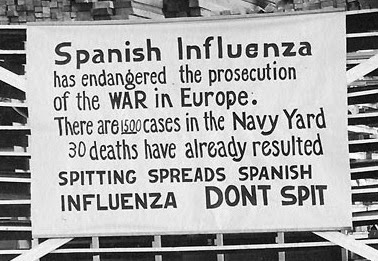
  • The letter mentions the flu.  The Spanish Flu pandemic was occurring at that time, and you can read what my great uncle Bill Karrick wrote about the flu in Bath County here.
  • The Cousin Henry referred to is Henry Ficklin, a preacher who baptized countless people in the area, often down in the Slate Creek at Kendall Springs. He was related to Mr. Burl on his maternal side (as was Jefferson Dawson Brother), and then he married Mr. Burl’s aunt (Aunt May) on his father’s side. 


Rugendorf, Germany
2 Feb. 1919

Dear Jane:

           Well I received that nice letter of yours some few days ago and it surely was a pleasant surprise.  Burl Junior certainly does look quite military in his uniform and when I come back will try and give him a little drilling. Believe me! it wouldn’t be long until he would hate the sight of that uniform.  But laying all jokes aside I was so glad to hear that you have all been well and I trust have escaped the flu.
           I came awfully near seeing Guy and Joe Arnold when we were on the front. One afternoon I was going down the road to our Reg. Headquarters and there were several squads of infantry men working the road and I asked one fellow who happened to be a Kentuckian what outfit he was in and he said Pioneer Inf.  I then asked him if he knew Guy or Joe Arnold and he said “yes” but they belonged to the Supply Co. and they were expecting him later there that afternoon.  So I waited all afternoon but never succeeded in seeing him.  Surely did hate to miss him too, because the only fellow I’ve seen over here that I know except those in our outfit was Addrou Kerns  from Sharpsburg. Wrote Willie [164 Inf] a card some time ago but I wasn’t sure of his outfit and of course don’t know whether he got it or not.
          Tell Cousin Henry that I still talk plain USA and haven’t acquired any brogue as expected.  Give my regards to all the folks and let me hear from you again sometime.  Dawson

          We hope you enjoy this letter.  I confess I have romanticized it a great deal and even have plans to frame and hang it.  I picture him writing it in a tent, huddled over and cold.  It is obvious that he misses home, so let it act as a reminder to all of us on this Veteran’s Day of the sacrifices that all who serve make on our behalf.  From our family to yours, Happy Veterans Day and God bless all who serve. ~ Ginger


Old Pictures

Some old pictures you might like.  Please feel free to leave a comment, especially if you have information that might be of benefit to others doing historical or genealogical work!
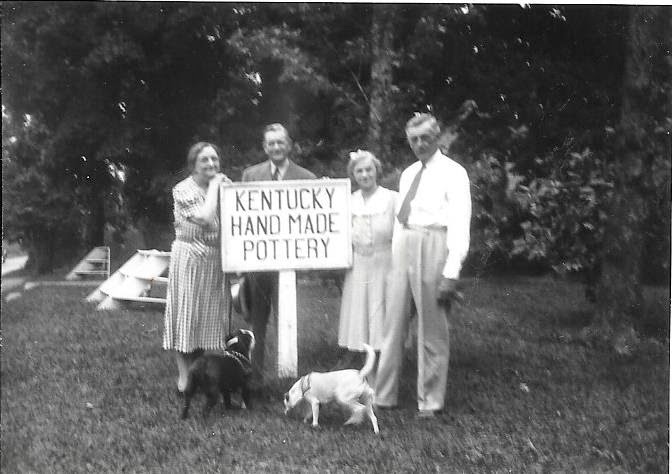
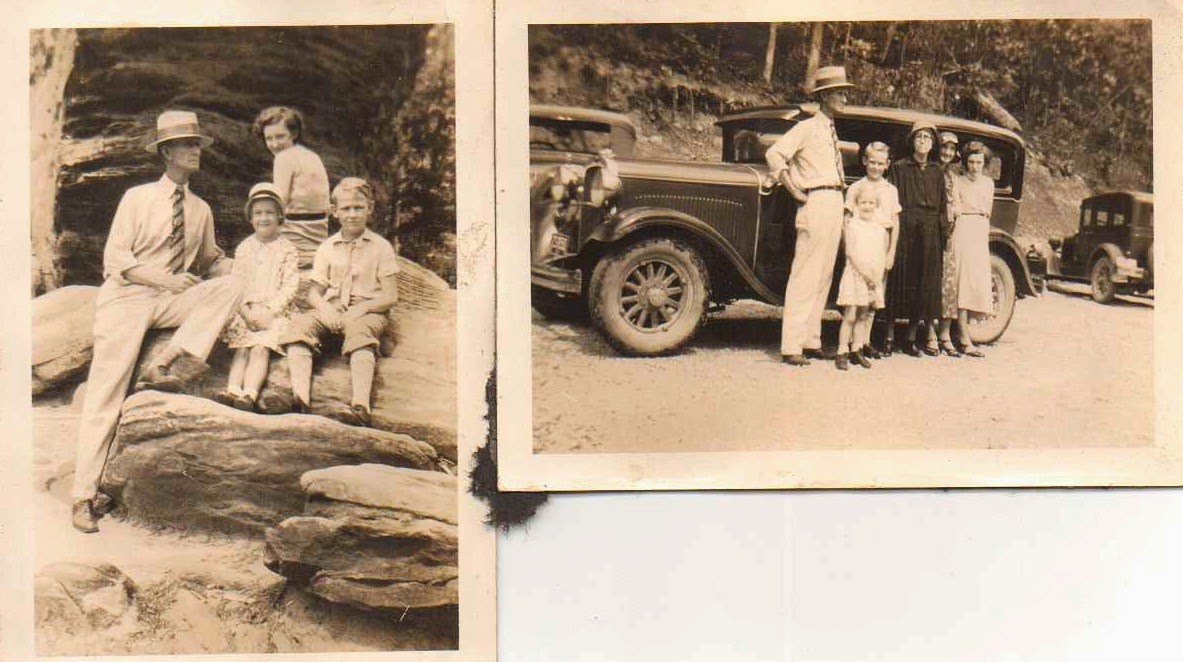
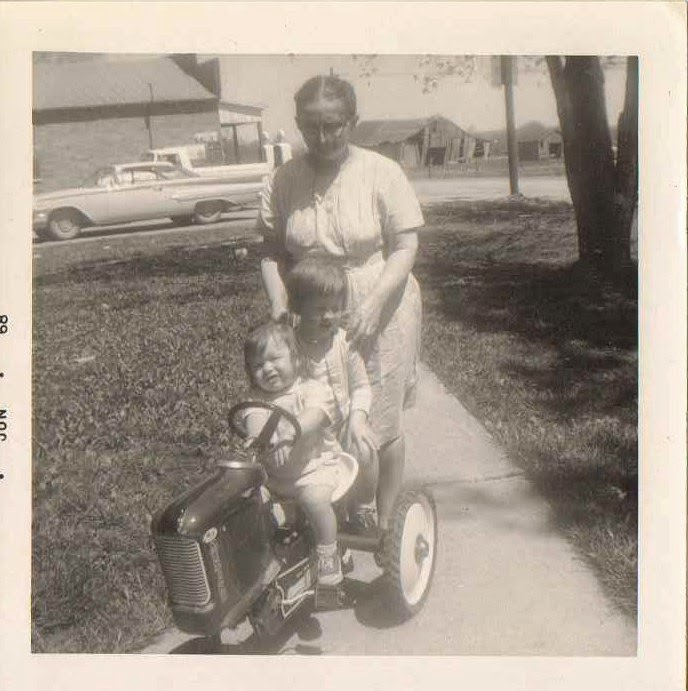
May, Reuben, Sr., Jane, and Burl Sr. (Kincaid family), in front of what is now Marcelle Doggett’s home on East High Street in Owingsville.  You can see U.S. 60 on the far left and the steps and sidewalk in the background are still there.


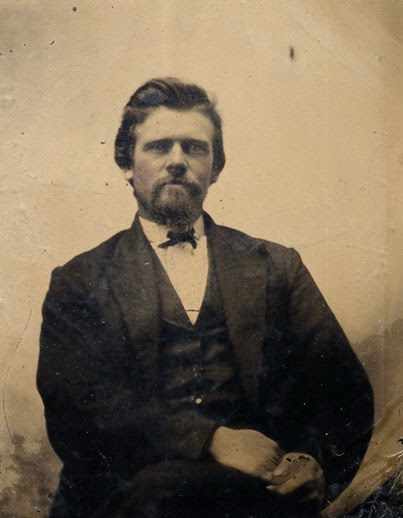
Elliott Darnell, common Bath County ancestor of many.  Don and Bill Kincaid’s great, great grandfather. Born in 1810, married to Sarah Conyers, father of Thomas, Mildred, Josiah, John, Ruth, William, Isaac, Mary, and Martha.


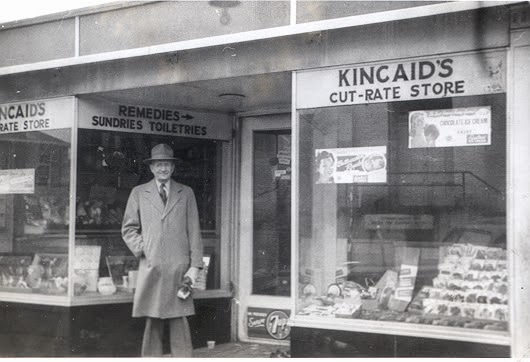
Reuben W. Kincaid, Sr. in front of his store in Owingsville, Ky.  This store was located (I think) where the New Hope Clinic is now.  Lots of older folks remember getting ice cream from Uncle Ruby’s store.


Doris Darnell (Kincaid) and an unindentified woman in front of what was the old Owingsville school.


Jeff, Sallie, Doris, and Donovan Darnell and other women (in the photo on the right) who are unidentified.


Helen Craycraft Goodpaster, Ginger Karrick Kincaid (me), and Sherri Spencer Pergrem in Preston, Ky., 1968.


High School and the National Guard (William Owen Karrick Story: Part 3)

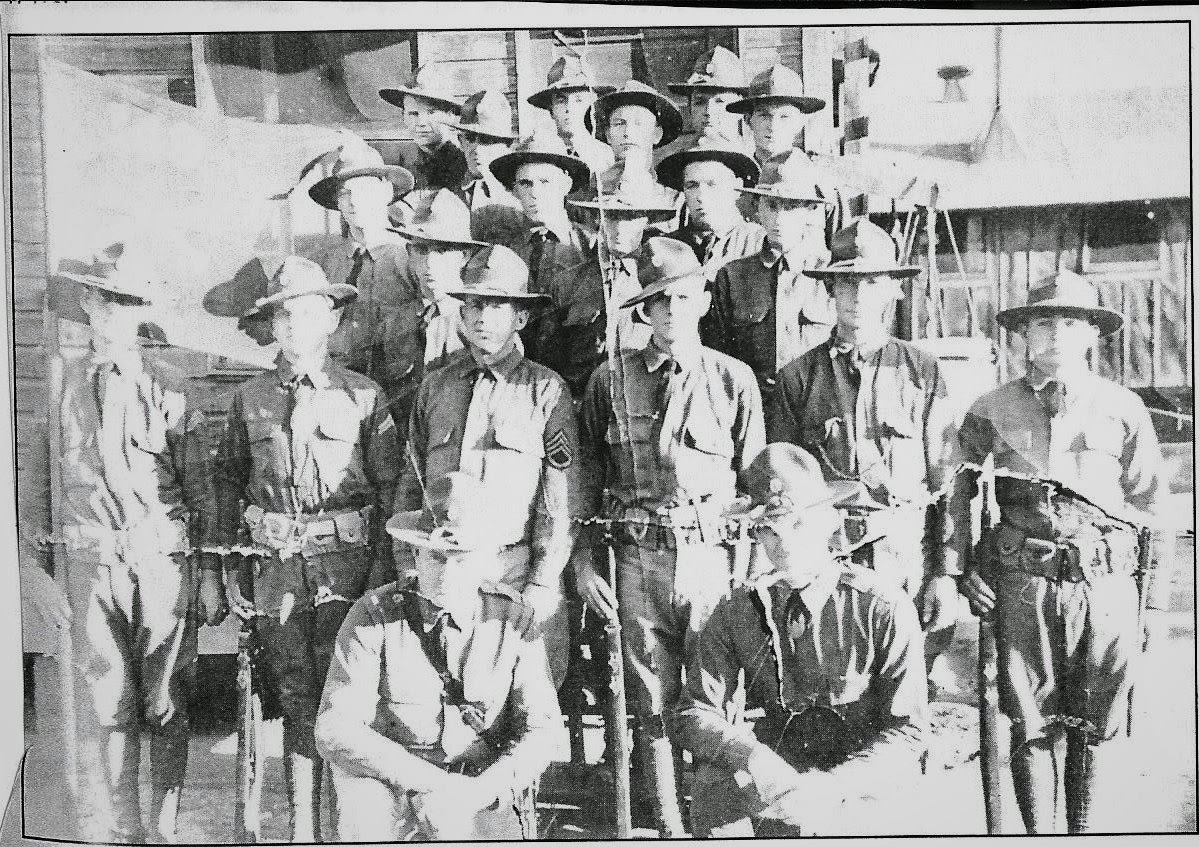
Salt Lick National Guard, 1927.
Those identified are Captain Corbett Gullett, Corbet Copher, William Karrick,
Jim Fawns, Herndon Dickerson, Hugh Karrick, Clifford Wells,
Roger Karrick, Van Green, Billy Frizzell and Robert Clark. 


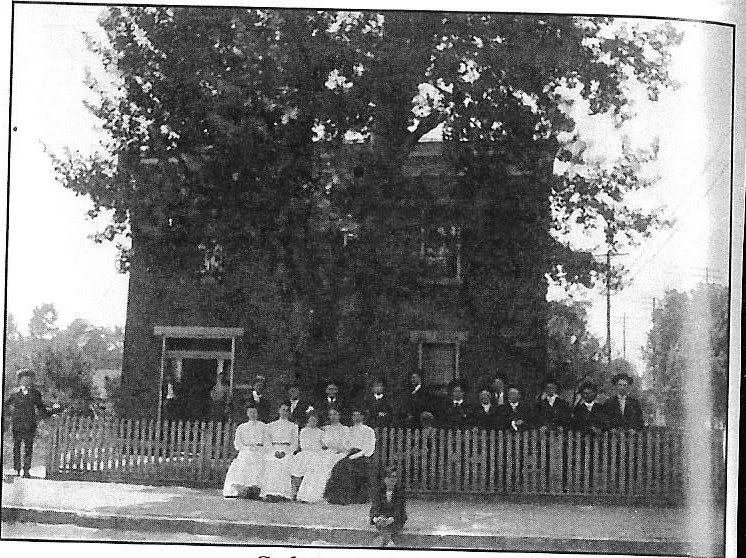
Salt Lick School, date unknown
 
This week, we continue with our series of excerpts from my great-uncle’s memoirs – hope you’re enjoying them!
From The William Owen Karrick Story:
In the first year of high school our class had nine girls and two boys.  They were Phoebe Seese, Olive Fanning, Rosie Freed, Marjorie Shouse (Marjorie married my brother Travis), Ethel Fawns, Opal Reeves, Sudie Maupin, Sudie Davis, Demory Parsons and me.  Our principal was O.J. Harris.  This professor took us to Lexington and Frankfort on a trip.  We visited Sistrunk, a fruit and vegetable distributor, and the federal prison in Frankfort.  This was a good lesson for those who might go wrong and break the laws.
During my second year in high school, a National Guard was established in Salt Lick, Kentucky.  The commander was Captain Corbett Gullett.  I was only fifteen years old at the time but through the permission of my parents, I joined the Guard.  The rifle company was going to Camp Knox for two weeks in the summertime.  Before the summer the guard had a rifle range where I spent several afternoons shooting at targets with 30/30 rifles.  When camp time came along, I received a preventative typhoid fever shot which caused me to have the fever.  I spent several weeks in bed and missed the Camp Knox trip.  In later years, I made the summer trips.  I was in the Guard for almost three years until it disbanded.  I was rated Corporal.
In the second year of high school, our principal was Mr. Wirick.  During this year, my friend Demory Parsons dropped out of school leaving me the only boy in a class of ten. I wanted to quit school too, so I took all my books home and told my father and mother that I had quit.  “Yeah,” Dad said, “You’ve quit.”
“Yes, “says I, “I’ve quit.
“Yes,” says Dad.  “You’ve quit until in the morning then you will return to school if I have to take a switch to you all the way.  Your mother and I have worked hard to see that all of you children finish high school.”
So back to school I went and am I glad that Dad made me return.  However, I was in the Guard at this time, and I skipped an afternoon class several times, going to the rifle range.  I got an F in that class, lost a credit, and had to go an extra semester in school to make up the work.  I didn’t get to graduate with my regular class of 1929.  I graduated in 1930.  The principal was Mr. Welch.
I entered Morehead State Teacher’s College in the fall and went through the first and second semesters and summer school.  I ended up with thirty-eight college hours and a teacher’s certificate good for two years which I used in teaching in a rural one room school at White Sulpher, Kentucky.  I tried very hard to do justice to the children as all eight grades were in one room.  Looking back, I wonder sometimes if that was possible.  My salary for the 1931-32 school year was $76.50 per month, and for 1932-33 it was $66.50 per month because the county was short of money.  School ended in February – a seven month school year.


            And there ends, for the most part, what Uncle Bill wrote regarding his early life in Salt Lick.  I hope you enjoyed his story as much as I did! ~ Ginger

1918 Flu and More (William Owen Karrick Story, Part 2)


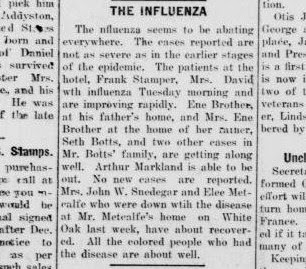
The great flu pandemic hit during the last year of WWI.  More
people died from the flu than from the war.


From the November 21, 1918 edition of the Owingsville Outlook
More from my great uncle’s memoirs this week – in this excerpt, he writes about the Spanish Flu pandemic of 1918.   More than half a million Americans died during the outbreak, and worldwide it is estimated that between twenty and forty million people died.   Children of the time period would skip rope to this little rhyme:  I had a little bird/Its name was Enza/I opened the window/And in-flu-enza.  In my father-in-law’s notes, he refers to the 1918 flu as “La Grippe.”
From the William Owen Karrick Story:
During the cold winter of 1918 our town and many others were afflicted with the flu bug.  All of our family, with the exception of my oldest sister Ethel and me were bedfast.  I remember the cold and the snow.  I would ride our old buggy horse to town and get the mail or maybe something from the drug store.  Didn’t see very many people out and around during these trips.  Several families passed away in Salt Lick that winter.
I had many chores to do, such as feeding the horses and cows, milking, and getting in the firewood.  I had an uncle who would come to my rescue about once each week and a relative, Miss Allie North, would come in occasionally and prepare a big kettle of vegetable soup.  I was seven years old at the time. 
During this year I missed a lot of school.  However, I did get in the second grade the next year.  In the second grade our teacher was Miss Genny Norville.  She was from the old south, and I learned that she had at one time early in her life lived on a plantation.  She never would allow us to sing the song “Marching Through Georgia” during our Monday morning gathering.  She was very strict and would not stop urging us until we had accomplished the goal which she had set for us.
In the third grade, we had the same Miss Genny Norville.  She had us learning our multiplication table from one through twelve.  We had to make a map of the United States and put in the states and capitals.  She kept a switch near her desk and when we got too noisy, she would pick up the switch and come down the seat aisle saying, “I am going to hit east and west to stop the noise.” It worked.
In the fourth grade my teacher was Miss Sewall.  One day a circus parade was going by the school and Miss Sewall had gone out of the room.  All of us in the room went to the window to watch the parade go by.  Miss Sewall returned to the room and when I looked around I was the only one still at the window.  She asked for all who had left their seats to hold up their hands.  I held up my hands.  She came back with a ruler and whipped me in one of my hands.  Was I hurt?  I told her that I wasn’t the only one leaving my seat.  Later she had me stay in at recess and apologized for her action.
Later that year, she promoted me and my best friend Demory Parsons to the fifth grade.  My sister Ethel was the fifth grade teacher.  During this time, I received several switchings from my sister.  Someone would do something and I would get the blame.  When we got home, Ethel would say that she punished me to keep the rest from thinking she wouldn’t because I was her brother. 
The next year in the sixth grade my teacher was Miss Christine Alexander.  Now, she was always nice to me.  I must have behaved well in her class.  She brought a Santa Clause suit and had me be Santa at Christmas.  I was much pleased that she had that much confidence in me.  Later in life she told me that I was one of her prized pupils.  She surely was my most loved teacher.
From the first grade to this time in school our playground activities consisted of town ball, playing tag, seesaw, and the game of marbles when weather permitted.
In the seventh grade my teacher was Miss Snedegar.  Along with other studies she was most interested in us mastering our math.  My brother Hugh was in the eighth grade and he was good in math.  Sometimes our teacher would tell Hugh that his problem solving was wrong and Hugh would go to the blackboard and show her that he was right.
In the eighth grade my teacher was also Miss Snedegar.
By this time we were playing baseball and basketball.  I was only four feet eight inches tall at this time.  My nickname was “Wee Willie.”  In the baseball outfield they could hardly see me.  Would you believe me if I told you that I had grown to five feet eight inches by the time that I finished high school?

From White Sulpher to Salt Lick (William Owen Karrick Story: Part 1)


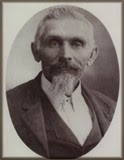
Hugh Karrick, 1845-1925 (my great, great-grandfather)


 My (Ginger’s) great-uncle William Owen Karrick wrote about growing up in Salt Lick.  For those of you who don’t know, my grandfather was Hugh Karrick of Salt Lick, and his brothers and sisters included Travis (father of Ann and Nan), Edsel (former principal at Salt Lick), Louticia (who taught school for many years in this county) and Virginia (who was the wife of Dr. Milburn Wheeler of Morehead).  There are others, but those are the names with which many of you will be familiar.  Some of my papaw’s siblings lived their lives away from Bath County.  My Uncle Bill did, but, as you can tell upon reading his words, Salt Lick always held a special place in his heart. 

From The William Owen Karrick Story:
I was born March 7, 1911 at White Sulpher, Bath Co., Kentucky.  My father was James Thomas Karrick and my mother was Mary Warner Karrick.  I was the seventh of twelve children in the Karrick family.  Midwife Kate B. Nickell of Ewing brought me into this world.
I remember several instances in life when I was three years old – such as sitting on my father’s knee while he played the violin, bouncing me up and down.  Several of my uncles were present at Christmas 1914.  They had brought whiskey from Mt. Sterling, Kentucky, but I can’t remember anyone getting drunk other than my oldest brother, Paul.  On one occasion Paul decided to play drunk-man.  He poured and drank a cup of whiskey and ended up very sick, with a promise never to play drunk-man again.
I remember riding on a roof shingle over an embankment in our side yard when the snow was on.
I remember wanting to go with my older brothers to their rabbit boxes down in our orchard.  Of course they didn’t let me go.
I remember well the day that we moved from White Sulpher to Salt Lick.  We were riding in a buggy – a one horse carriage.  I was four years old at the time.  I was seated on the floor board, Mother (holding my sister Gertrude) and Dad were in the buggy seat, and my brother Hugh was standing up behind the buggy seat.  I thought this trip of approximately three miles was a very long journey.  We finally arrived at our new home in the afternoon.  Three of my older brothers had preceded us with two wagons and our furniture – the last two loads.
My grandfather Hugh Karrick and grandmother Leticia Karrick had moved to Salt Lick earlier.  They lived next door to our house.  As soon as I could, I made a mad dash over to Grandmother’s house.    I had visited with my parents when my grandparents lived on a farm at Mudlick before moving to Salt Lick.  I spent many happy days at my grandmother’s house.  She always had plenty of milk and molasses cookies.  The cookies were in a big jar which I could reach.
At the age of six I started to school at Salt Lick.  I had a teacher named Maude Wright.  I remember the first day very well.  I wanted to go to the same room with my brother Hugh but he insisted and I went to the Junior Order school building across the road from the main school building.  I can’t remember too much of the first year of school except my dad helping me learn to read.  He was always ready to help any of us with our studies.  Our mother was the main spelling teacher. 
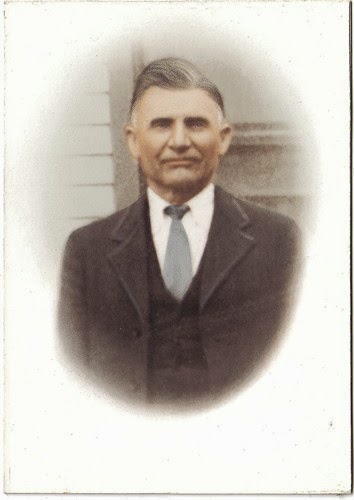
James Thomas Karrick, 1870-1944 (my great-grandfather).